
5 Signs of Wood Rot Around Your Home You Can't Afford to Ignore
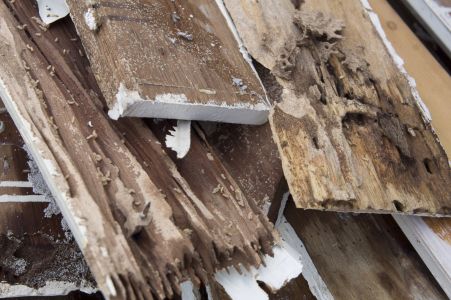
Wood rot doesn’t announce itself with a loud bang. It creeps in slowly, turning strong trim and siding into soft, crumbling wood that spreads moisture and damage. If you live in Nashua, NH, the seasonal freeze and thaw, summer humidity, and wind‑driven rain make the risk even higher. The fastest way to stop the spread is prompt, professional wood rot replacement from a crew that knows local homes and weather.
Below, you’ll learn how to spot the five clear warning signs before rot balloons into bigger problems. You’ll also see where rot tends to hide, why Nashua weather accelerates decay, and how a pro confirms damage without guesswork.
Why Wood Rot Is A Big Deal For Nashua, NH Homes
Nashua sits along the Merrimack River, which helps keep our summers humid and our winters cold and icy. That swing in moisture and temperature invites wood‑eating fungi. Meltwater seeps into tiny cracks during spring, then summer storms drive rain into joints around windows, doors, fascia, and deck posts. In neighborhoods like Crown Hill, the North End, and South Nashua, many homes mix older trim with newer siding. Any gap, hairline crack, or failed caulk can become a moisture pathway that fuels rot behind the paint.
Left alone, rot weakens structural members, compromises window seals, and creates a perfect environment for more moisture to move deeper into the wall system. It also ruins paint adhesion, so even fresh coatings bubble and peel. The longer it sits, the more woodwork and carpentry it takes to make repairs right.
The 5 Signs Of Wood Rot You Can’t Ignore
Most homeowners first notice rot during routine chores or after a heavy storm. Watch for these five red flags:
- Soft or spongy spots when you press trim, sills, or fascia with your thumb.
- Peeling, alligatoring, or bubbling paint that keeps returning after repainting.
- Dark staining, rust‑colored streaks, or black speckles that look like mildew but keep spreading.
- Crumbly edges on corner boards, window sills, or door brickmold that flake off like damp cake.
- Gaps that won’t hold caulk, especially at joints where vertical and horizontal trim meet.
Never paint over soft, spongy wood—paint is not a sealant, and it will not stop active decay. If you notice one sign, assume there may be more nearby. Rot rarely stays in a neat, isolated patch; it follows the water.
Where Wood Rot Hides Around Your Home
Some places are rot magnets because they collect water or trap moisture against wood. In Nashua, these are the usual suspects:
- Window sills and bottom corners of exterior casings
- Door frames and thresholds, especially storm‑facing entries
- Fascia and rake boards near clogged or misaligned gutters
- Deck posts, stair stringers, and trim where they meet soil or concrete
- Horizontal trim details, crown mouldings, and decorative ledges that hold water
Homes near Mine Falls Park or along tree‑lined streets often see longer morning dew and shaded siding that dries more slowly. That extra moisture time is enough for fungi to thrive. If your home has older wood windows or original cedar trim, regular inspections are especially important.
Nashua’s freeze‑thaw cycles can split hairline cracks into open seams by late winter. A small gap in October can be a water pathway by March. Catching rot early keeps replacement limited to small sections of trim instead of larger assemblies.
How Pros Confirm Rot Without Guesswork
Experienced pros don’t rely on a glance. They test, trace, and plan. First comes a methodical inspection, working from the worst‑looking spot outward to find the moisture source. Light probing reveals softness beneath the paint film. Moisture meters help confirm what the eye can’t see, and careful disassembly shows whether damage is skin‑deep or has reached sheathing or framing. When the scope is clear, the team builds a detailed repair plan so every rotten piece is removed and replaced, not just covered up.
If the damage is localized, targeted trim replacement restores strength and paint‑readiness. When decay is more extensive, larger carpentry repairs are scheduled so the surface can be finished and blended to match the home. This is where choosing professionals who handle both carpentry and finishing pays off. With rotten wood repairs and wood rot replacement performed by one team, the process stays clean, coordinated, and efficient.
Painting over rot is like putting a fresh bandage on a leak—it looks better for a week, then fails again. The right approach is to remove, replace, seal, and then finish with a coating system that sheds water.
Why Waiting Costs More Than Acting Now
Rot doesn’t pause for a dry day. Once fungi colonize damp wood, they continue to digest the fibers whenever moisture is available. Delay allows decay to reach joints, fasteners, and hidden surfaces. Windows lose their tight seal. Door frames crack and stick. Corner boards open up and channel water inside. What could be a quick section of carpentry turns into longer, more disruptive repairs.
There’s also the paint problem. Soft, wet wood cannot hold a coating. Even premium paint fails when it can’t bond to a sound surface. That means flaking, peeling, and prematurely weathered areas that shorten the life of your entire paint job.
Seasonal Realities: Nashua, NH Weather And Wood Rot
Our area gets heavy spring runoff, summer thunderstorms, and winter ice. All three are tough on exterior wood. In late winter, melting snow on roofs overflows ice‑dammed gutters and spills behind fascia. Summer storms drive wind‑blown rain into south‑ and west‑facing details. Autumn leaf fall clogs gutters, soaking eaves and rake boards. If your home in French Hill or near the South Nashua retail district faces busy, salted roads, splashback can add extra moisture along the lower trim.
Timing matters. Many homeowners schedule assessments in early spring to address winter damage, or late summer, so paint can cure before frost. Your home’s exposure, shade, and ventilation will guide the plan.
What A Quality Repair Looks Like
High‑quality wood rot replacement focuses on long‑term performance. That means removing all decayed material back to solid, dry wood; matching profiles so repaired sections blend seamlessly; and installing with proper flashing, back‑priming, and sealants where needed. Joints are tight. Fasteners are corrosion‑resistant. Surfaces are primed and painted for a durable finish that resists water entry.
The goal isn’t to hide damage—it’s to stop it cold and restore the strength, shape, and paint‑ready surface your home deserves. When done right, you shouldn’t be able to spot where the new work starts.
Local Clues: Do These Spots Around Your Nashua Home Look Right?
Take a slow walk after a rain. Are there drip lines under the window sills that never quite dry? Do deck stair treads feel soft at the edges? Does the bottom of the garage side door frame show dark staining? In areas like the North End with mature trees, check shaded elevations where morning sun doesn’t reach. In Crown Hill or near downtown, look at the windward sides that take the brunt of nor’easters.
If any of those trouble signs ring a bell, it’s time to talk with a pro who handles carpentry and finishing in one streamlined process. You’ll avoid patchwork fixes and end up with a clean, lasting result that boosts curb appeal.
Why Choose A Local Pro For Rotten Wood Repairs
You want a team that understands Nashua’s weather and common construction details. Local crews see the same patterns day after day, so they know where to open, what to replace, and how to seal it for the long haul. They also match millwork profiles common to our area, which helps repaired sections blend with original trim.
Equally important, a local pro coordinates the finishing. After carpentry, surfaces are prepped, primed, and painted so the repair disappears into the facade. That one‑team flow reduces downtime and prevents miscommunication between separate trades.
Partner With A Painting Contractor Who Protects Your Home
Your home needs more than paint when decay appears. It needs coordinated carpentry, solid surface prep, and coatings that stand up to New Hampshire weather. If you’re looking for a partner you can call for inspection, carpentry, and finishing, reach out to your trusted painting contractor in Nashua. You’ll get a clear scope, an honest timeline, and a result that supports future repainting.
When To Schedule Wood Rot Replacement In Nashua, NH
Schedule as soon as you see two or more warning signs or if the same area keeps failing after repainting. Spring and late summer are popular because wood dries more consistently and coatings cure well, but pros work year‑round when conditions allow. The key is to stop moisture intrusion quickly, then finish with the right primer and topcoat so the repair sheds water.
Whether you’re in South Nashua, near Greeley Park, or along the Mine Falls Park trails, a timely inspection will tell you exactly what’s going on behind the paint and where to focus first.
What To Do Next
If you’ve spotted softness, flaking edges, or stubborn stains, don’t wait for a better forecast. Talk with a local specialist who can assess, replace, and finish the work so it lasts. Start with a focused inspection and a plan tailored to your home’s exposure and materials. The right team will guide you from evaluation to final coat with minimal disruption.
Ready to protect your home and restore its curb appeal? Call Fast Pro Painters at 978-398-5774 to schedule your assessment today.