
Exterior Painting in Nashua, NH: Protecting Siding and Trim To Prevent Costly Damage
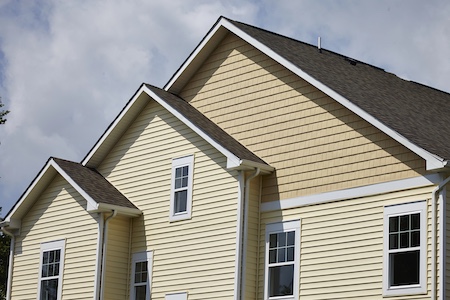
Nashua weather is tough on homes. Snow, spring melt, summer sun, and fall storms all attack your exterior. The right coating, applied over solid repairs, keeps water out and value in. If your siding or trim looks tired, a professional exterior painting project can stop small issues before they spread.
Why Exterior Painting Matters For Nashua Homes
Paint is more than color. It is a flexible, breathable shield that blocks moisture and UV. When the film is intact, wood stays dry, caulk stays sealed, and fasteners stay protected.
Across North End, Crown Hill, and South Nashua near the Daniel Webster Highway, homes see freeze and thaw from late fall into early spring. Tiny cracks open and close with temperature swings. Fresh, properly chosen coatings expand and contract with the surface to reduce that movement and keep water out.
How Paint Protects Siding And Trim
Different materials need different strategies. Wood clapboards and cedar trim require primers that block extractive bleed and seal end grains. Fiber cement benefits from high-build acrylics that resist cracking. Vinyl siding needs color-safe formulas designed to handle heat without warping.
Trim takes the brunt of rain. Fascia, soffits, corner boards, and window casings collect water and wind. Trim is your home's first water defense. Keeping these parts sealed and painted prevents intrusion at nail holes, miter joints, and butt ends.
Common Siding And Trim Problems In Nashua, NH
Moisture is the main culprit. Here are patterns we see after winter and wet springs:
- Peeling or cupping paint on sunny south and west walls
- Hairline splits at vertical joints where two boards meet
- Soft spots at lower trim near patios, decks, and bulkhead doors
- Dark staining under window sills from failed caulk
- Rust tracks from fasteners that break the paint film
Left alone, these small failures allow water to wick into wood fibers. That leads to swelling, rot, and insects. In condos off Amherst Street or older homes near Mine Falls Park, we often see wear first at lower courses and window trim where snow banks linger.
The Professional Process: Inspection, Repairs, And Painting
Quality results begin with a thorough inspection. A professional painting contractor checks siding, trim, and joints from top to bottom, then confirms ventilation around eaves and bath vents.
Repairs come next. Damaged boards or trim are replaced or scarfed with matching species or compatible composites. Joints are re-caulked only after surfaces are dry and sound. Never paint over soft, wet, or decayed wood. That traps moisture and guarantees failure.
Primer selection is critical. Tannic woods like cedar need stain-blocking primers. Bare metal flashings at roofs and windows get rust-inhibitive primers. Porous patches are spot-primed to equalize porosity so the finish coat lays down evenly.
Finish coats complete the system. High quality 100 percent acrylic paints excel in New Hampshire because they resist chalking and endure temperature swings. On high exposure walls, pros often apply two finish coats for film build and longer service life.
Timing Your Project Around Nashua Weather
Temperature and humidity drive success. Spring brings melting snow and wet substrates. Summer can be hot but offers consistent cure windows. Early fall is often ideal because surfaces are dry and days are mild.
Plan exterior work when overnight lows and daytime highs sit within the coating’s recommended range. Schedule exterior work after the last hard frost and before late fall. In many years, that means late May through early October, with a watchful eye on rain and dew points.
Materials And Coatings That Perform In New Hampshire
Not all paints and sealants behave the same in our climate. The best systems are built to move with your home while resisting wind-driven rain.
- Elastomeric or high-build acrylics for hairline cracks on stucco or masonry accents
- Flexible, paintable sealants for corner boards, window trim, and siding joints
- Stain-blocking primers to lock in wood tannins and water marks
- UV-stable finish coats that retain color on south-facing walls
On wood trim near rooflines, flashing and drip edges matter. Proper metal details and sealed fasteners keep water from sneaking behind the paint film. Seal every joint where water can sit or sneak in. That includes horizontal trim joints, sill noses, and cap trims above doors and windows.
Early Warning Signs You Shouldn’t Ignore
You do not need to be a pro to spot trouble early. Walk around your home every season and look closely at high-risk areas.
- Blistering or peeling paint around window and door trim
- Hairline gaps at corner boards and siding seams
- Discoloration or dark streaks under sills or at nail heads
- Soft wood when lightly pressed with the dull end of a pen
- Caulk that has shrunk, cracked, or pulled away
If you notice any of these, pairing repairs with a fresh coating stops deterioration and restores protection. Many homeowners in neighborhoods like Kessler Farm and along Broad Street schedule checkups in late spring after snowmelt and again in early fall.
Why Repairs And Paint Should Happen Together
Painting without repairs is a short-term fix. Repairs without paint leave new wood or joints exposed. Done together, they reinforce each other and extend your maintenance cycle.
A typical sequence includes replacing failed trim, sanding edges smooth, priming bare spots, sealing joints, then finishing with even coats. This creates a continuous barrier against water and sun. It also brings a consistent look across old and new materials.
If your home needs multiple trades, a coordinated team prevents gaps. For example, if gutters are being adjusted, schedule that before final painting so brackets and fasteners are sealed under the finish film.
Local Conditions That Affect Siding And Trim
Nashua gets humid spells in July and August. Afternoon thunderstorms can leave surfaces damp until late morning the next day. Along the Nashua River and near wetlands, lingering moisture increases the risk of peeling if paint goes on too soon.
Winter salt spray from roads can reach lower siding near busy streets. Rinse these areas during spring cleanup to keep contaminants from interfering with adhesion. In shaded lots with tall pines or maples, algae and mildew can form on the north side; cleaners approved for painted exteriors remove growth prior to repainting.
Color And Sheen Choices That Help Surfaces Last
Color affects temperature. Dark hues can run hotter in summer, especially on vinyl cladding. Choose colors within the manufacturer’s safe range for that material.
Sheen influences cleanability and durability. Satin and low-sheen finishes on siding strike a good balance between hiding minor defects and shedding water. Semi-gloss on trim adds hardness and makes dirt easier to wash away.
Protecting Historic And Older Homes
Many Nashua homes built before the late 1970s have multiple paint layers. Prep must be gentle and controlled to keep the substrate sound. Always check for potential lead in pre-1978 coatings and follow safe practices. Professional containment and cleanup protect families, pets, and landscaping.
On historic profiles, replacing small sections with matching millwork preserves the original look. Primers designed for old wood help tie everything together so finish coats cure smoothly.
How Often Should You Repaint?
There is no one schedule because exposure, materials, and maintenance vary. South and west elevations wear faster than shaded north walls. High-quality products and thorough prep can extend cycles.
Instead of waiting for failure, watch for the early signs above. A timely maintenance coat on the first peeling panel often prevents a whole-house repaint the next season.
Curb Appeal And Home Value
Fresh paint frames your property the way a good picture frame lifts a favorite photo. Colors that suit the roof, stone, and landscape pull the whole look together. Appraisers and buyers notice clean lines, sharp trim, and smooth siding.
If you plan to sell in the next couple of years, addressing trim rot and repainting high-visibility areas like the front entry and street-facing elevations can make a strong first impression during showings.
Plan Your Next Step With A Trusted Painting Contractor
When you are ready to protect your home, start with a focused evaluation. A skilled crew will map moisture paths, recommend repairs, and specify a coating system that fits Nashua’s seasons. You will get a clear sequence, realistic timing, and a finish that looks great and lasts.
If you want a deeper look at process and options, browse our exterior painting page for an overview you can use to plan around spring, summer, or early fall schedules. For general background, the Nashua exterior painting resources on our site can help you think through color, sheen, and maintenance priorities.
Ready To Protect Your Home?
Keep water out, stop peeling early, and enjoy the curb appeal that comes with a clean, durable finish. Talk with Fast Pro Painters about inspection, repairs, and coatings that match your home and neighborhood.
Call 978-398-5774 to schedule a visit, or request your plan today so we can align your project with the best weather window. When you are ready to move forward, our team will confirm repairs, prime where needed, and finish with premium coatings for long-term protection in Nashua, NH. To get started, visit our exterior painting page and pick the timeframe that works for you.