
How to Spot Early Signs of Wood Rot Before It Spreads
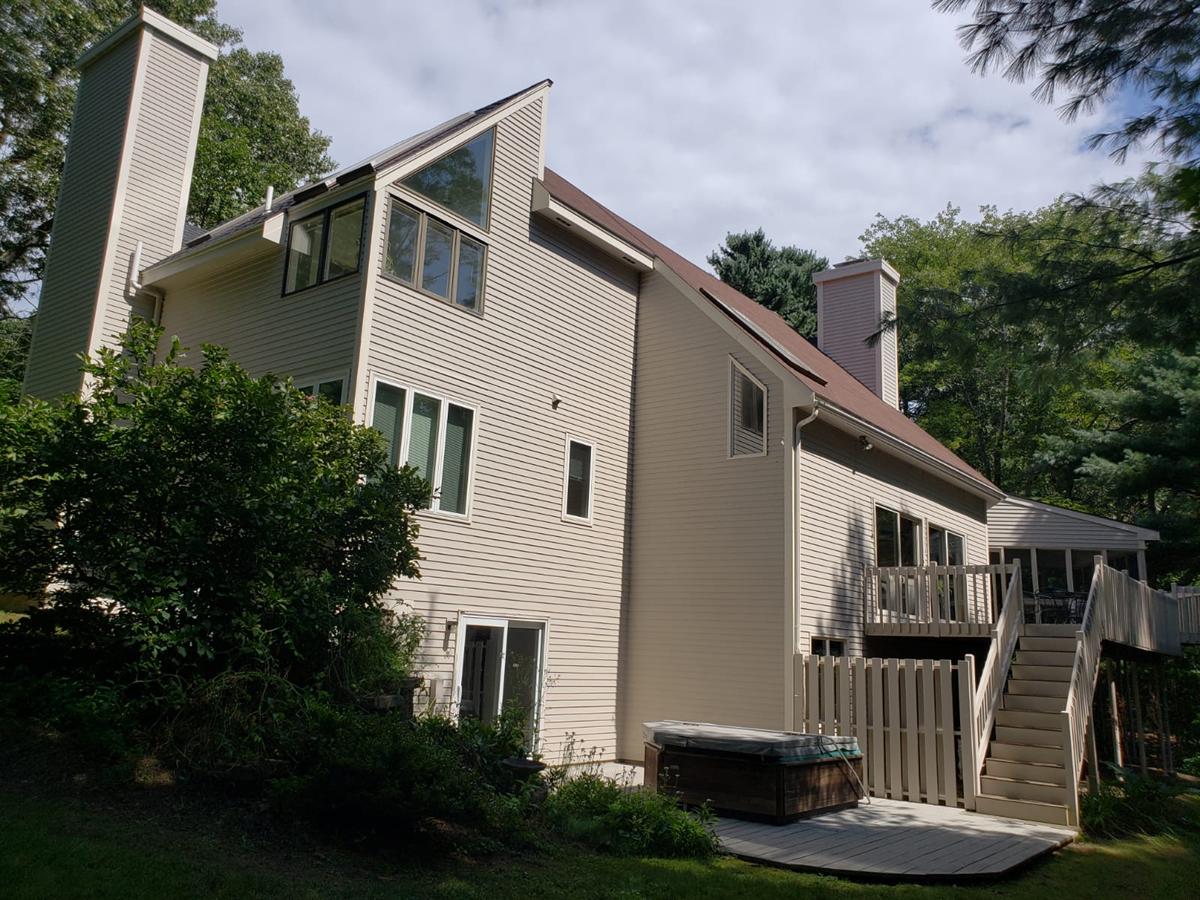
If you want lasting curb appeal and a dry, healthy home, catching problems early is everything. This guide shows Nashua, NH homeowners how to spot early wood rot before it spreads. If you see these warning signs, schedule professional carpentry & wood rot replacement so the issue is fixed the right way the first time.
Why Early Detection Matters In Nashua’s Climate
Nashua gets freeze and thaw in winter, spring snowmelt, humid summers, and windy fall storms. Moisture finds small openings, then fungi break down wood fibers. Left alone, decay moves from trim into siding and sometimes to sheathing. That is why early action protects your home and helps your next paint job last.
Neighborhoods like the North End and Crown Hill have mature trees and shade that hold morning dew. Homes near Mine Falls Park or Greeley Park often dry slowly after storms. On busy roads in South Nashua, salt and road spray hit lower trim and garage surrounds. These conditions add up to higher risk zones where rot starts small but rarely stays small.
Subtle Signs Of Wood Rot You Can See
You do not need to pry boards or dig with a tool to notice trouble. Walk slowly after a rain or during spring cleanup and look for these early clues:
- Paint that peels or bubbles again in the same spots soon after repainting
- Dark streaks or blotches under window sills that return after cleaning
- Hairline gaps at mitered trim or corner boards that will not hold caulk
- Crumbly edges on door brickmold and sill noses that flake like damp cake
- Softness when you press trim lightly with a thumb near decks or patios
One sign often means more nearby. Rot follows water, so expect issues downhill from the first problem area.
High-Risk Places Around Your Home
Some details catch water or trap it against wood. Check these spots in every season:
- Bottom corners of exterior window casings and sills
- Door frames and thresholds that face the storm side
- Fascia and rake boards near clogged or misaligned gutters
- Deck posts and stair stringers where wood meets soil or concrete
- Horizontal trim details and decorative ledges that hold standing water
If you notice any of these areas starting to soften, do not delay. Do not paint over soft, damp wood. That traps moisture and speeds failure.
Local insight: After a late-winter thaw or a spring nor’easter, inspect south and west elevations first. Meltwater and wind-driven rain push into joints, while salt splash along the Daniel Webster Highway can speed decay on lower trim.
What Early Wood Rot Looks Like Up Close
Rot often hides under intact paint. Look for small blisters or fine cracks that come back even after sanding and repainting. Probe gently with a dull pencil eraser. If it sinks in with little pressure, the fibers beneath are soft. On corner boards, the first visible cue can be a thin vertical line that stays open even after a warm, dry day.
At windows, pay attention to the sill nose and lower side jambs. Persistent dark marks or waviness in the paint film mean moisture has been present long enough to discolor the wood. Along rooflines, fascia that sits under leaky or overflowing gutters will show wrinkled paint and tiny splits that collect dirt.
Why “Covering It With Paint” Backfires
Paint is a protective finish, not a fix. If the substrate is soft, coatings cannot bond. You may see a short-lived improvement, then the same area blisters or peels. Worse, the decayed wood keeps absorbing water behind the fresh film. Painting over active rot is a short road to larger repairs.
The right sequence is repair first, then finish. That means replacing decayed sections with sound materials, sealing joinery, and back-priming where needed so the surface is truly ready for paint.
How A Pro Confirms The Problem Without Guesswork
A trained eye maps how water moves across your home. Pros start at the worst-looking spot, confirm softness, and trace back to find the leak path. They check adjacent boards, joints, and flashing details so the repair addresses both the visible damage and the source. That way the fix is durable, and the finished surface blends cleanly with surrounding trim and siding.
If your home needs coordinated work, choose a local crew that handles both carpentry and finishing. With one team managing the sequence, the repair stays tidy and your final coating gets proper adhesion and even color.
Seasonal Timing For Nashua, NH
Early spring and late summer are popular windows because surfaces are drier and coatings cure well. After heavy winter, inspect fascia and corner boards for gaps and staining. Before fall, check window sills and door frames that took summer sun and storms. If you are planning a repaint, washing and repairs should happen before primer and finish coats for best results. For more ways paint and prep work prevent deterioration, see this post on protecting siding and trim.
What Quality Repair Means For Your Home
Strong results come from addressing every weak point the moisture used. That includes removing decayed wood back to solid, matching the existing profile, and sealing cuts and end grains. Joints are tight, fasteners are corrosion resistant, and transitions are set up to shed water rather than trap it. When finished, the repair should disappear into the facade and support a long-lasting paint film.
If your exterior is due for a repaint along with repairs, review your options for exterior painting so your new coating protects high‑exposure walls and trim through our New Hampshire seasons.
Real-World Patterns We See Around Town
In shaded North End streets, north and east walls dry slowly. That means more mildew growth and lingering moisture on clapboards and trim. In South Nashua near retail corridors, fine road film and salt can collect on lower siding and door surrounds. Along the river, morning dew and fog keep surfaces damp longer into the day. Each of these patterns adds up to a higher chance of early rot where paint is cracking or caulk has separated.
Homes with mixed-age materials are common here too. You might have newer fiber cement siding next to older wood trim. Monitor the joint where materials meet. Any movement or missing sealant can let water wick behind the face where you cannot see it until the paint fails.
When To Call A Professional
Call as soon as you press a soft spot or see repeated peeling in one area. Multiple warning signs together deserve a prompt inspection. A professional visit maps the moisture path, sets the repair scope, and protects the home so problems do not migrate across seasons.
If it is time for a trusted local team to look things over, contact Fast Pro Painters. Our carpentry & wood rot replacement service pairs skilled repair with clean finishing so your exterior is solid, sealed, and ready for paint.
Helpful Resources As You Plan
Want a quick refresher on early warning clues and where rot hides? Read our related post on the key signs of wood rot. If a repaint is on your list this year, learn why washing before painting matters in Nashua’s climate so your new finish performs the way it should.
For broader planning, you can always start at Fast Pro Painters’s home base. Many homeowners bookmark this page for wood rot repair in Nashua, NH and other project ideas they want to revisit later.
Ready To Protect Your Home In Nashua, NH
If you have noticed soft trim, peeling that keeps coming back, or dark staining under sills, the next right step is a focused inspection. Our Fast Pro Painters team will check high‑risk areas, confirm the source, and outline a repair that holds up through our seasons. Call 978-398-5774 to schedule a visit, or start with our service overview for rotten trim repair and carpentry. Acting now helps you avoid bigger problems and keeps your home looking sharp for years to come.
Tip: If you are comparing options, remember that solid repair plus a proper coating system is what keeps moisture out and curb appeal in. That one-two punch is the difference you see from the sidewalk.